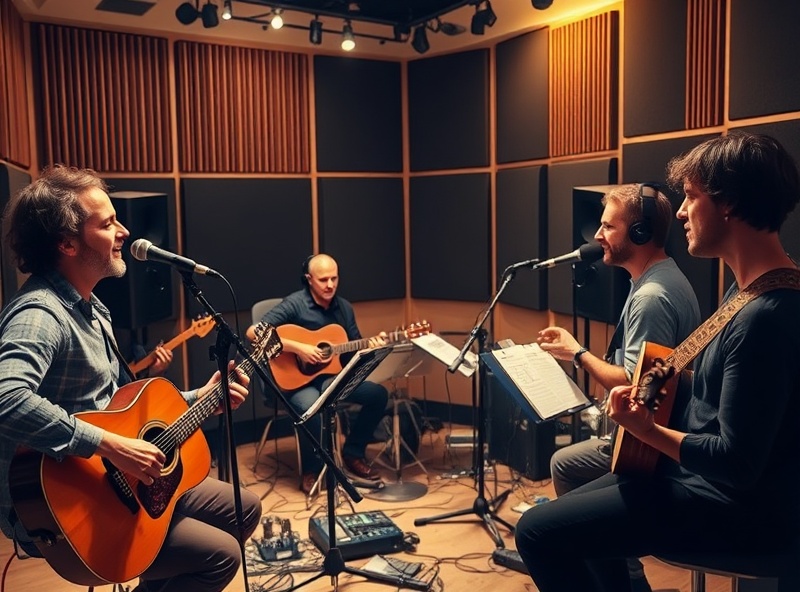
The Art of Trailer Music: Creating Impact in 60 Seconds
Master the craft of film trailer music composition. Learn pacing, tension-building, crescendos, and how to create music that captures a film's essence.
Why Trailer Music Matters
A film trailer’s success hinges on creating anticipation and intrigue in limited time. The music is often the most impactful element, communicating tone, genre, and emotional stakes without a single word of dialogue.
Understanding Trailer Pacing and Structure
The 30-Second Teaser
Minimum impact maximum mystery:
- 0-5 seconds: Establish intrigue with a striking sound or image
- 5-20 seconds: Build tension with layered elements
- 20-30 seconds: Crescendo to hook viewers
The 60-Second Trailer
The standard format balancing information and excitement:
- 0-10 seconds: Grab attention (logo, studio, striking image)
- 10-30 seconds: Introduce story and emotional stakes
- 30-50 seconds: Build action and tension
- 50-60 seconds: Crescendo to call-to-action and title reveal
The 2-3 Minute Trailer
Extended format for event films and major releases:
- Intro: Establish tone and setting (0-15 seconds)
- Plot introduction: Main character/conflict (15-45 seconds)
- Rising action: Complications and tension (45-90 seconds)
- Climax sequence: Action peaks (90-120 seconds)
- Resolution: Emotional payoff and title (120-150 seconds)
Trailer Music Composition Principles
Tension and Release
Trailer music thrives on dynamic contrast:
Building Tension:
- Increase tempo and rhythmic complexity
- Add layers of instrumentation
- Raise pitch gradually
- Tighten harmonic ambiguity
- Increase volume and intensity
Release Moments:
- Provide brief moments of calm
- Allow audience to catch breath
- Make subsequent tension more impactful
- Create emotional valleys between peaks
The most effective trailers use tension-release cycles that build in intensity throughout.
The Power of Silence
Strategic silence is as important as sound:
- Brief moments of quietness heighten anticipation
- Silence before a major drop feels like release
- Quiet moments let significant visuals land
- Audio absence draws viewer attention to the screen
Use silence deliberately, never by accident.
Musical Elements of Effective Trailers
Opening Hook (0-3 seconds)
Your opening sound must be:
- Distinctive: Unique enough to be remembered
- Appropriate: Matches film’s genre and tone
- Brief: 1-3 seconds maximum
- Impactful: Creates immediate emotional response
Examples:
- Horror trailers: Dissonant string stabs or unsettling drone
- Action trailers: Percussive hits or brass stabs
- Drama trailers: Emotional orchestral swell or haunting melody
- Comedy trailers: Playful or unexpected sounds
Building Momentum
Create forward motion through:
- Rhythmic propulsion: Steady beat that doesn’t let attention waver
- Layering: Add instruments progressively (strings → brass → percussion)
- Harmonic movement: Progress through related chords
- Textural change: Move from simple to complex or organic to electronic
The Crescendo
Your money moment—design this carefully:
Construction:
- Build to a high point of intensity
- Often features dramatic orchestral swell
- Aligns with film’s biggest visual moment
- Drops directly into title reveal or final key imagery
Common Crescendo Patterns:
- Orchestral tutti (all instruments at full power)
- Repeated motif building in intensity
- Dramatic key change with full instrumentation
- Powerful percussion combined with melodic peak
Genre-Specific Trailer Music Approaches
Action/Thriller Trailers
- Tempo: Fast (120+ BPM), driving rhythm
- Instrumentation: Strings, brass, heavy percussion
- Sound design: Hard hits, impacts, electronic elements
- Emotion: Urgency, danger, excitement
- Example signature: Pounding bass drums with orchestral stabs
Drama/Oscar-Bait Trailers
- Tempo: Variable, dynamic changes
- Instrumentation: Solo instruments, lush strings, piano
- Sound design: Minimal, focused, pristine recording quality
- Emotion: Emotional depth, introspection, consequence
- Example signature: Single cello or violin with sparse accompaniment
Horror Trailers
- Tempo: Often slow or unsettling rhythmically
- Instrumentation: Dissonant strings, electronic drones, found sounds
- Sound design: Unsettling tones, unexpected silences, creepy atmospheres
- Emotion: Dread, unease, fear, anticipation
- Example signature: Eerie sustained tones with sharp stabs
Comedy Trailers
- Tempo: Playful, sometimes syncopated
- Instrumentation: Varied, unexpected combinations
- Sound design: Witty accents, playful hits, surprising elements
- Emotion: Lightness, fun, unexpected moments
- Example signature: Comedic timing in music, playful instrumentation
Sci-Fi/Fantasy Trailers
- Tempo: Often electronic or futuristic
- Instrumentation: Synths, orchestral with electronic elements, experimental sounds
- Sound design: Otherworldly, innovative, spectacular
- Emotion: Wonder, spectacle, imagination
- Example signature: Electronic meets orchestral fusion
Technical Trailer Music Production
Loudness and Compression
- Trailers often use aggressive compression
- Maintain dynamic punch while hitting loudness standards
- Different standards for theatrical vs. streaming vs. broadcast
Mix Clarity
- Theatrical trailers need aggressive EQ for cinema sound systems
- Digital trailers require balanced mix for laptop speakers and headphones
- Mono compatibility for some broadcast platforms
Layering Technique
Build richness through strategic layering:
- Foundational layer: Core harmonic/rhythmic element
- Melodic layer: Primary musical idea
- Textural layers: Pads, atmospheres, supporting elements
- Impact layer: Drums, percussion, sound effects
- Top layer: High strings, brass stabs, special sounds
Master Technical Specs
Provide clients with:
- Stereo master (theatrical)
- Mono-compatible mix (broadcast)
- 5.1 surround (theatrical)
- Stems: Separate instrumental, percussion, effects, melodic elements for editing flexibility
Common Trailer Music Mistakes
- Overstaying the opening: Hook too long loses immediate impact
- Inconsistent energy: Random fluctuations rather than building tension
- Weak crescendo: Build-up doesn’t deliver emotional payoff
- Wrong genre tone: Music contradicts film’s actual genre
- Too much going on: Busy arrangement distracts from visuals
- Forgetting the silence: Every moment filled creates fatigue
- Unimemorable: Nothing distinct or recognizable about the score
Working With Trailer Editors and Directors
Collaboration is key:
- Provide stems: Flexible elements editors can adjust
- Communicate timing: Know exactly when cuts and impacts happen
- Discuss creative intent: Understand the film’s themes and marketing message
- Be flexible: Allow for adjustments and reedits
- Timeline planning: Trailer music often composed during post-production
Music Licensing Considerations for Trailers
Trailers have special licensing considerations:
- Fair use for promotional materials: Sometimes applies to pre-release trailers
- Sync rights: Must be cleared for any trailer distribution
- Duration limitations: Some licenses restrict trailer length
- Territory restrictions: Different rights for domestic vs. international
Building a Trailer Music Portfolio
To establish yourself in trailer music:
- Create sample trailers for existing films (educational/portfolio use)
- Develop signature techniques that directors recognize
- Stay current with industry trends
- Network with post-production facilities and marketing agencies
- Build relationships with composers and music supervisors
- Follow award-winning trailers for inspiration (Golden Trailer Awards)
The Psychology of Trailer Music
Effective trailer music works on subconscious levels:
- Creates expectation of story and character arc
- Establishes emotional parameters for the film
- Triggers anticipation and desire to see the full movie
- Creates distinctive audio branding for the film
- Makes the trailer emotionally memorable
Conclusion
Trailer music is concentrated storytelling—distilling a film’s essence, emotional arc, and commercial appeal into 30-180 seconds. By mastering tension-building, understanding genre conventions, employing strategic silence, and delivering powerful crescendos, you’ll create trailers that compel audiences to see the film.
The best trailer music doesn’t just sell the film—it makes audiences feel they absolutely must experience it.