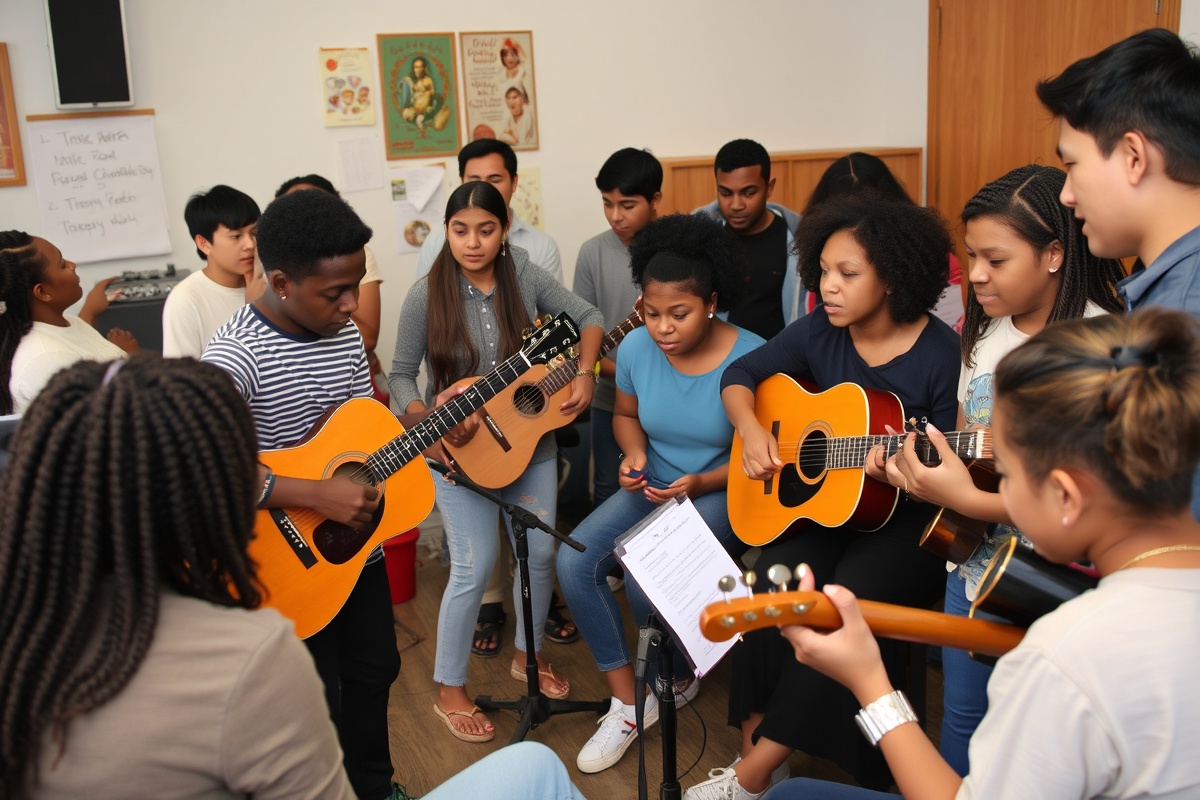
Music Education and Access: Breaking Down Barriers in Music Production
Resources and strategies for aspiring musicians to learn production, licensing, and building careers. Celebrating educational access and community learning.
Music Education for the Modern Era
One of the biggest barriers to a music career is access—to tools, education, mentorship, and industry knowledge. This shouldn’t be a barrier. Today, more resources exist than ever to learn music production, understand licensing, build skills, and launch careers.
This guide highlights accessible pathways and resources for aspiring musicians.
The Learning Landscape Has Changed
20 years ago:
- Professional music production required expensive equipment
- Industry knowledge was locked behind gatekeepers
- Education required expensive degrees
- Mentorship was limited to local scenes
Today:
- Professional DAWs are affordable or free
- World-class education is available online
- Communities of musicians share knowledge freely
- Opportunities exist for self-taught artists
The barrier is no longer access—it’s navigation. Too many aspiring musicians don’t know where to start.
Essential Skills for Music Production Careers
Technical Skills
- DAW (Digital Audio Workstation) proficiency
- Mixing and mastering basics
- Recording techniques
- Music theory fundamentals
- Production workflows
Business Skills
- Understanding music licensing and rights
- Negotiating contracts
- Marketing your music
- Building a sustainable income
- Networking and relationship-building
Creative Skills
- Composition and songwriting
- Genre expertise
- Sound design
- Collaboration
- Artistic vision and intention
Free and Low-Cost Learning Resources
Online Learning Platforms
- YouTube: Thousands of free production tutorials (search “music production tutorial [your DAW]”)
- Splice Academy: Free music production courses
- Skillshare: Affordable music production classes (often $20–$40/month subscriptions)
- Coursera/edX: Free audit access to university courses
- Andrew Huang: Excellent free music theory and production content
Community Resources
- Local community colleges: Often have affordable music production courses
- Music production meetups: Free networking and learning groups
- Open-source DAWs: Reaper, GarageBand, Cakewalk by BandLab (free or very cheap)
- Discord communities: Join music production servers for peer learning
- Reddit: r/makinghip-hop, r/trapproduction, r/musicproduction have active communities
Free Tools
- Reaper: $60 one-time license (unlimited trial, honor system payment)
- GarageBand: Free on Mac
- Audacity: Free audio editing
- BandLab: Free online collaboration and production
- MuseScore: Free music notation software
Affordable Professional Tools
DAWs (Digital Audio Workstations)
- Reaper: $60 (cheapest pro option)
- FL Studio: $100–$400 depending on edition
- Ableton Live: $99–$749 depending on edition
- Logic Pro: $200 one-time (Mac only)
- Cheaper than they were 10 years ago
Plugins and Instruments
- Many excellent free plugins available
- Affordable paid options: $10–$100
- Subscription services: $9–$20/month for unlimited
- Avoid expensive gear until you know you need it
Microphones and Recording Equipment
- Entry-level USB mic: $30–$100
- Decent studio headphones: $50–$200
- Audio interface: $80–$300
- Room treatment (DIY foam): $50–$200
- Start simple and upgrade as you grow
Building Your Knowledge
Music Theory
- Free resources: YouTube, musictheory.net
- Understanding keys, chords, melody, harmony
- Not required but valuable for composition
- Learn by ear through listening and experimentation
Licensing and Rights
- Understand sync, mechanical, master rights
- Register with PROs (ASCAP/BMI/SESAC)
- Learn what you can negotiate
- Know the business side of music
Marketing and Networking
- Build social media presence
- Connect with other musicians
- Engage authentically with your community
- Share your learning journey
Collaboration
- Join online production communities
- Collaborate on projects (even unpaid projects build skills)
- Get feedback from peers
- Learn from others’ work
Mentorship and Community
Finding Mentors
- Reach out to musicians you admire (many are accessible)
- Be genuine and respectful in your approach
- Offer something in return (collaboration, exposure, skill-sharing)
- Join mentorship programs in your area
Building Community
- Attend local open mics and producer meetups
- Join online forums and Discord servers
- Participate thoughtfully (don’t just consume, contribute)
- Support other emerging artists
- Celebrate each other’s wins
Peer Learning
- Form production groups with other musicians
- Meet regularly to share work and feedback
- Collaborate on tracks
- Challenge each other to improve
Educational Paths to Consider
Self-Taught Path
- Pros: Flexible, affordable, you control pace, develop unique voice
- Cons: No structure, need self-discipline, no credentials
- Best for: Self-motivated learners, experimental artists
- Timeline: 1–3 years to competency (with dedicated practice)
Online Course Path
- Pros: Structured, comprehensive, community, industry experts
- Cons: Can be expensive, requires commitment, quality varies
- Cost: $50–$500+ depending on program
- Best for: People who need structure and accountability
Community College Path
- Pros: Affordable, hands-on equipment access, networking
- Cons: Limited to local availability, pace set by institution
- Cost: $1,000–$5,000 per semester
- Best for: People who want community and physical studios
University Music Program
- Pros: Comprehensive education, degree credential, industry connections
- Cons: Expensive ($20,000–$100,000+), rigid curriculum, time commitment
- Best for: People seeking credentials and formal training
- Note: Increasingly less necessary for music production careers
Hybrid Approach
- Start with free online resources
- Take targeted online courses for specific skills
- Join local communities
- Seek mentorship
- Build portfolio through projects
- Often most cost-effective and practical
Building Your Portfolio
Create Original Work
- Compose and produce music in your style
- Document your learning journey
- Share work-in-progress to get feedback
- Iterate and improve
Contribute to Projects
- Volunteer to score short films
- Collaborate on other musicians’ projects
- Participate in game jams and music challenges
- Build real-world experience
Share Your Work
- SoundCloud, Spotify, Bandcamp
- YouTube (production breakdowns, behind-the-scenes)
- Instagram/TikTok (clips, clips, production tips)
- Your website or portfolio
Network Continuously
- Attend industry events (even virtually)
- Comment on and share others’ work
- Build genuine relationships
- Help others when you can
Accessibility and Equity
The Importance of Breaking Barriers Music education shouldn’t be gated behind wealth or privilege. The best talent comes from everywhere, and communities are harmed when talented musicians can’t access education.
What We’re Doing About It
- Level Up is committed to making music education accessible
- Free resources and community learning opportunities
- Support for underrepresented artists
- Building pathways into music careers
You Can Help
- Share resources freely
- Mentor emerging musicians
- Support diverse voices in music
- Push for accessibility in your community
Resources for Specific Pathways
If you want to be a film composer:
- Study orchestration and traditional composition
- Learn about sync licensing and music supervision
- Build portfolio through short films
- Network with filmmakers
If you want to be a producer/beat maker:
- Deep dive into your chosen genre
- Study production in that genre
- Build production software skills
- Collaborate with vocalists/rappers
If you want to do sound design:
- Study game audio and foley
- Learn field recording
- Experiment with synthesis
- Build portfolio through game projects
If you want to do sync licensing:
- Create versatile instrumental catalog
- Understand licensing marketplace
- Register music in licensing platforms
- Build network with music supervisors
The Bottom Line
The barriers to a music career have never been lower. You don’t need expensive gear or formal credentials to start learning. You don’t need gatekeepers’ permission to share your work.
What you need is curiosity, dedication, and community. Start learning today. Connect with other musicians. Build your skills. Share your work.
The music world needs more authentic, original voices. Barriers shouldn’t be in your way. Use the resources available, build community, find mentors, and create the music only you can create.
Your music has value. Your voice matters. Start building your path today.